

Every student deserves a learning environment where they can thrive. Some students learn best through reading and writing, while others can be visual, auditory, or kinesthetic learners. The issue is that many traditional classroom setups fail to accommodate the full range of learning preferences. Implementing the right classroom furniture in New York schools is necessary to improve every student’s learning experience and overall well-being. This is done by creating spaces that accommodate diverse sensory needs, attention styles, and learning preferences.
When schools invest in versatile, inclusive educational furniture, the benefits extend to all learners. Quiet zones provide retreats for students who need focused work time or sensory breaks. Flexible seating appeals to kinesthetic learners who think better while moving. Collaborative areas support group-oriented students. Adjustable lighting reduces eye strain universally. The key is to offer a variety of options that allow each student to learn in the way that works best for them.
Let’s explore how thoughtful school furniture can transform classrooms into inclusive spaces that recognize the wide range of human learning styles, and in turn create more effective learning environments for everyone.
Understanding Different Learning Styles and Needs
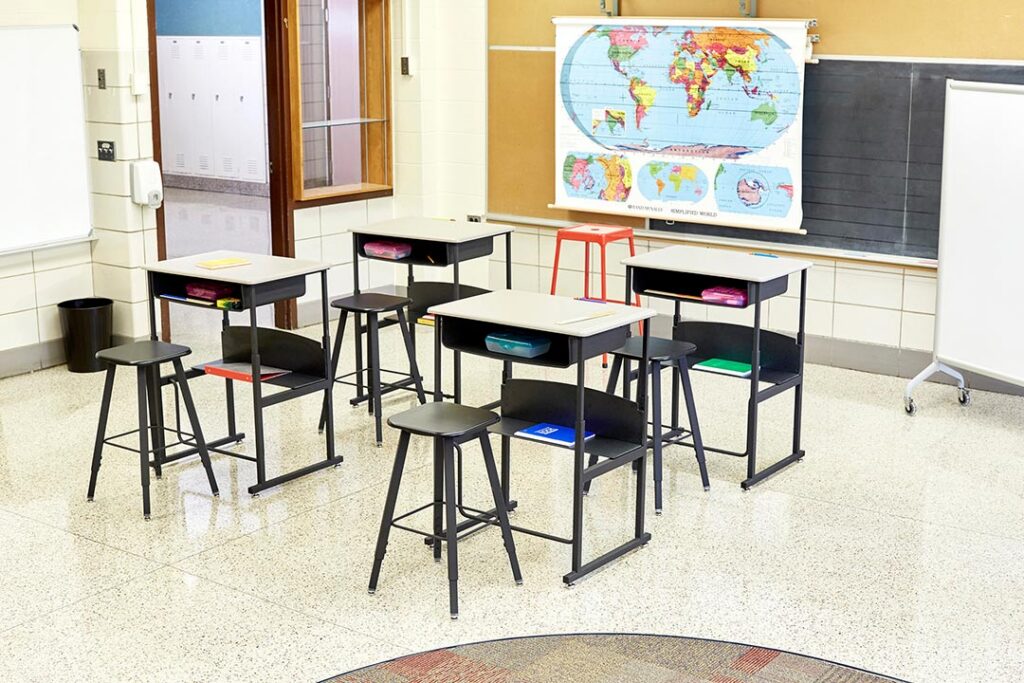
Students process information in remarkably different ways. A kinesthetic learner might need movement to retain information, while a visual learner thrives with diagrams and color-coding. Auditory learners benefit from discussion-based activities, while reading/writing learners prefer traditional notetaking. Then add neurodivergent learners to the mix—students with ADHD who need movement breaks, autistic students who require reduced sensory input, or those with sensory processing differences. Now the diverse range of classroom needs is clear.
A well-designed, inclusive classroom provides multiple seating options, varied work zones, and sensory support solutions. These solutions allow students to select what works best for them at any given moment, whether they’re reading quietly, collaborating on a project, or watching a presentation. This autonomy empowers students and teaches self-awareness about personal learning needs.
Essential Furniture for All Learning Styles
The following furniture options support all learning styles while specifically addressing neurodivergent needs:
Soundproof Study Pods
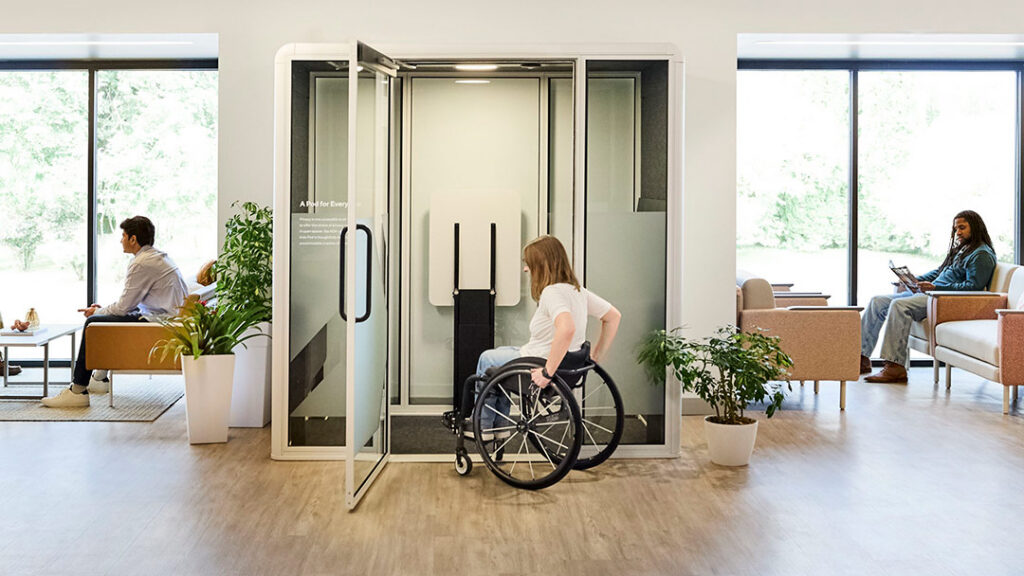
Auditory learners may thrive on discussion, but visual and reading/writing learners often need quiet to concentrate. Smart acoustic solutions—like ceiling baffles, wall and desk paneling, acoustic pods, and carpeting—help control sound constructively, all while providing privacy and focus to those who need it.
For students who experience sensory overload or need quiet concentration time, soundproof pods can offer sanctuary within the classroom. These enclosed workspaces reduce auditory distractions, making them ideal for autistic students, those with auditory processing sensitivities, or any learner tackling complex reading or problem-solving tasks. Many designs include soft, tactile interiors and dimmable lighting to create a calming atmosphere that supports deep focus.
Flexible Seating Options & Sensory-Friendly Seating
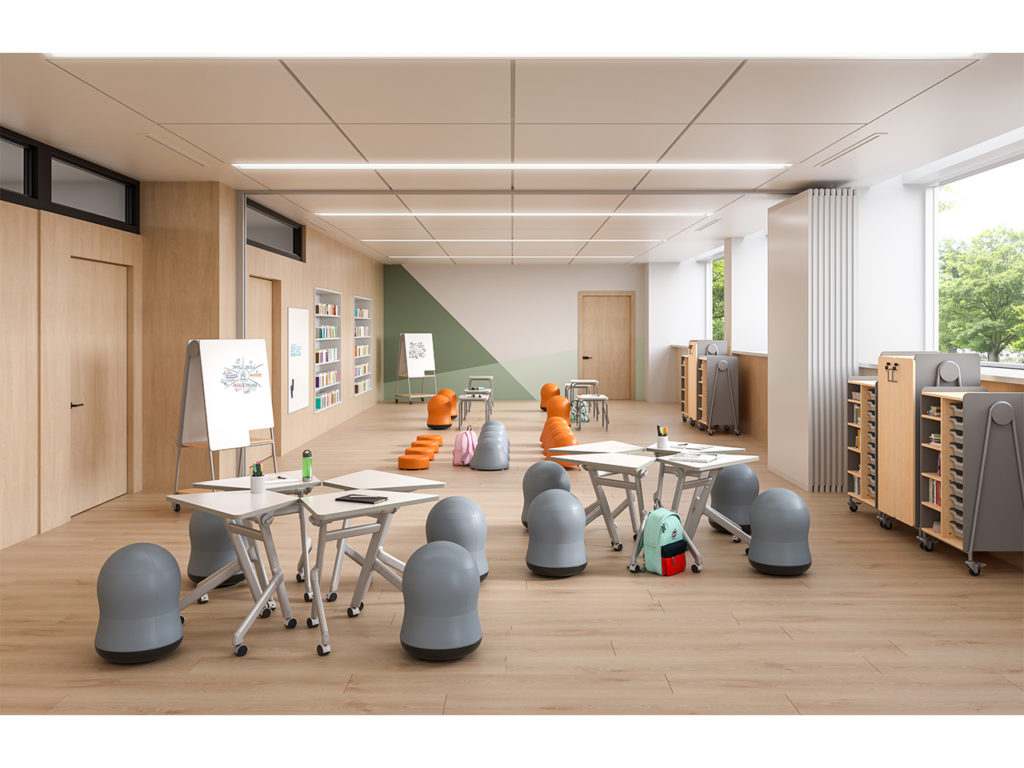
Kinesthetic learners—and students with ADHD—often struggle with traditional desk chairs. Research shows that movement-friendly furniture can improve attention span and reduce restlessness across learning styles. Wobble stools and balance ball chairs give students the movement they need while staying engaged. These dynamic seating solutions allow for gentle rocking or subtle motion that helps channel a student’s energy productively, without disrupting the classroom.
Cushioned floor seats, bean bags, and chairs with tactile materials provide options for students who need informal seating for reading or small group work. Furniture covered in soft fabrics or featuring textured surfaces can be calming for students who seek tactile input, while also creating cozy reading nooks that appeal to introverted learners or those who prefer a more relaxed learning posture.
Some designs incorporate gentle compression or cocoon-like structures that provide a sense of security, benefiting students with anxiety or those who simply prefer a more enclosed workspace in order to concentration better. Flexible seating also benefits students who simply think better when they can shift positions throughout the day, accommodating the natural human need for movement during extended learning sessions. This leads us to desks.
Height-Adjustable Desks
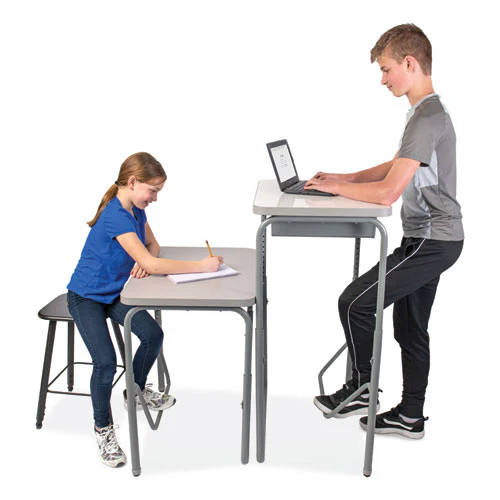
Some learners focus better while standing, while others need seated support—and many benefit from alternating throughout the day. Height-adjustable desks empower students to customize their workspace based on the task at hand. This flexibility is particularly beneficial for kinesthetic learners, students who may find sustained periods of sitting challenging, or those with physical sensitivities who need postural variation.
These desks also support different learning activities: standing for energizing group work, sitting for detailed writing tasks, or perching at mid-height for presentations.
Modular and Reconfigurable Furniture
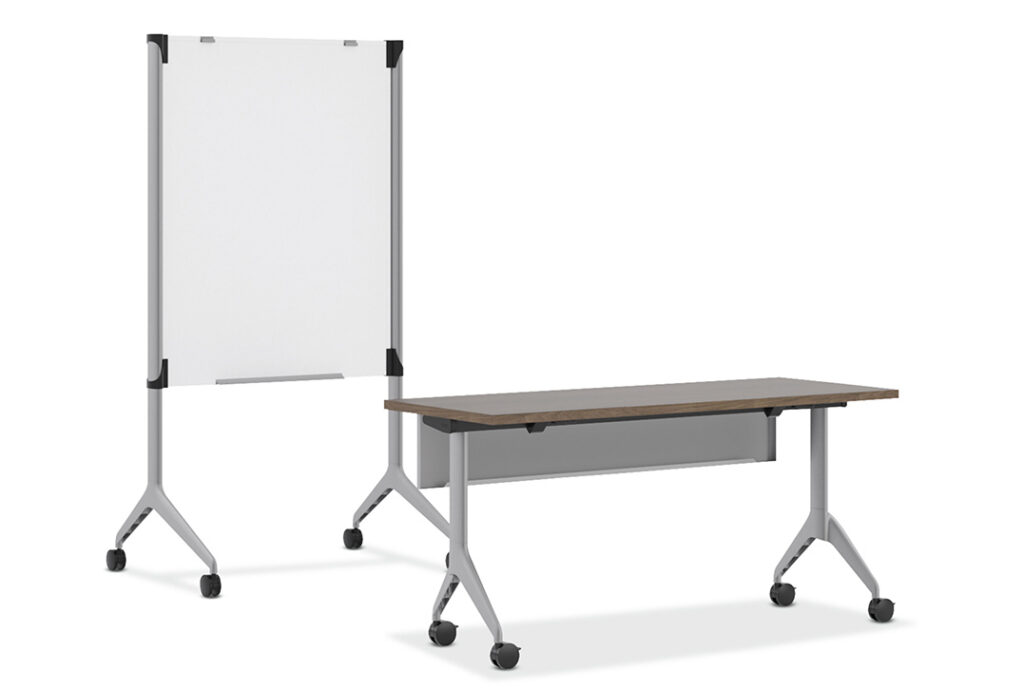
Different learning activities require different spatial arrangements. Classrooms benefit from furniture that adapts to lectures, small group discussions, independent work, collaborative projects, and hands-on activities. Modular tables and mobile partitions allow teachers to quickly create quiet zones for focused work, collaborative areas for group projects, presentation spaces for auditory learners, or individual workstations for testing.
This flexibility supports the varying social, sensory, and pedagogical needs throughout the school day, ensuring the physical environment enhances learning objectives rather than hindering them. Autism classroom design principles emphasize this adaptability, which benefits all students by reducing transitions and allowing the transformation of space for different needs.
Lighting Integration for Visual Comfort
Harsh fluorescent lighting can trigger headaches and anxiety, making it difficult for many students—not just neurodivergent learners—to focus. Visual learners particularly benefit from optimal lighting conditions. Integrating adjustable lighting systems—including dimmer controls, natural light maximization, and LED alternatives—creates visual comfort that supports reading, detailed work, and screen-based learning.
Some advanced furniture systems even feature built-in task lighting that students can control individually, allowing each learner to optimize their visual environment whether they’re reading a book, working on a computer, or examining visual materials.
Creating Zones for Different Learning Modalities
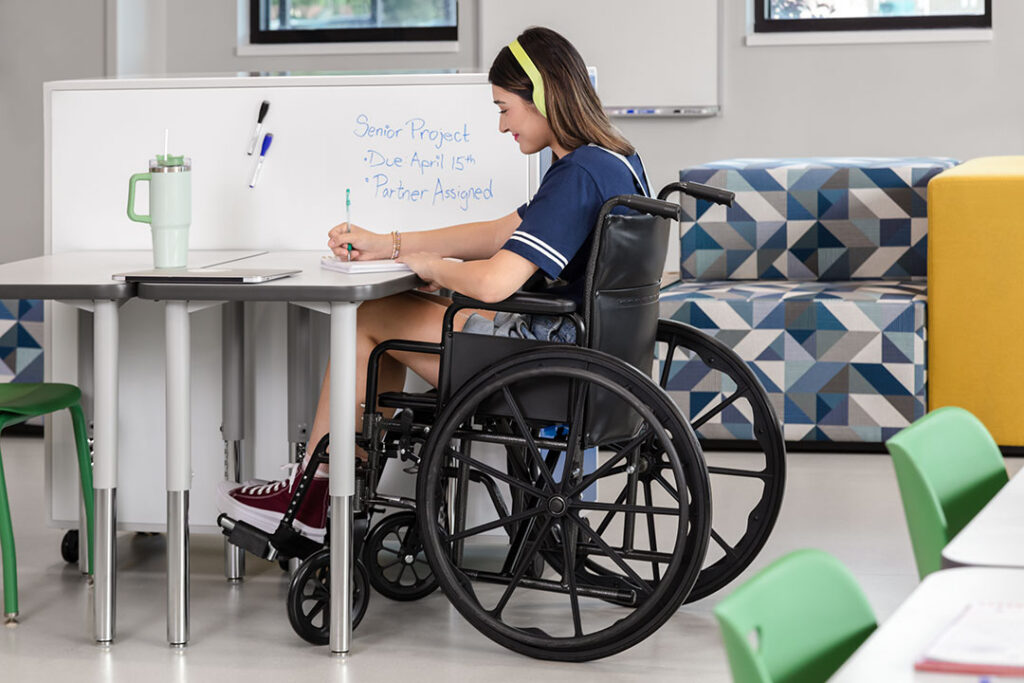
Beyond having a range of furniture options, the most effective inclusive classrooms incorporate distinct zones that support different learning activities and styles:
- Quiet zones with soundproof elements for reading/writing learners and focused individual work
- Collaborative areas with flexible seating arrangements for group-oriented learners
- Movement zones with standing desks and active seating for kinesthetic learners
- Presentation areas optimized for auditory and visual learning
- Sensory calm spaces with neurodivergent classroom furniture for students needing regulation breaks
By thoughtfully zoning the classroom, teachers can direct students to the space that best supports their current learning task and personal learning preferences.
Ready to Transform Your Learning Environment?
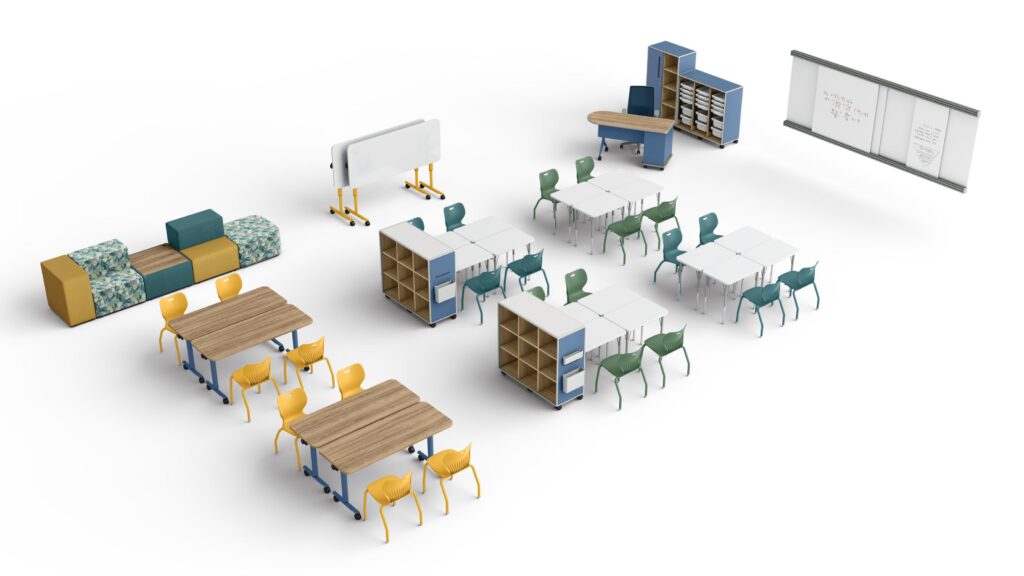
Creating a truly inclusive educational space requires expertise in both diverse learning needs and workspace design. That’s why partnering with an experienced workspace solutions provider who understands the unique requirements of all learning styles is vital. From soundproof study pods to sensory-friendly furniture and integrated lighting systems, the right partner can help you design classrooms where every student can succeed. That’s where Legacy comes in.
Our space planning design experts have been working in the educational sphere in the New York area for decades, creating inclusive spaces that benefit all learners. We do more than help you design your space, though. By partnering with only the best and most reliable manufacturers of educational furniture known for offering durable, sustainable products that can withstand the rigors of a classroom, we also help you furnish and install it.
If you’re ready to start building learning spaces that celebrate and support all types of minds and learning styles, reach out to one of our specialized educational furniture consultants today.